About One NZ Stadium

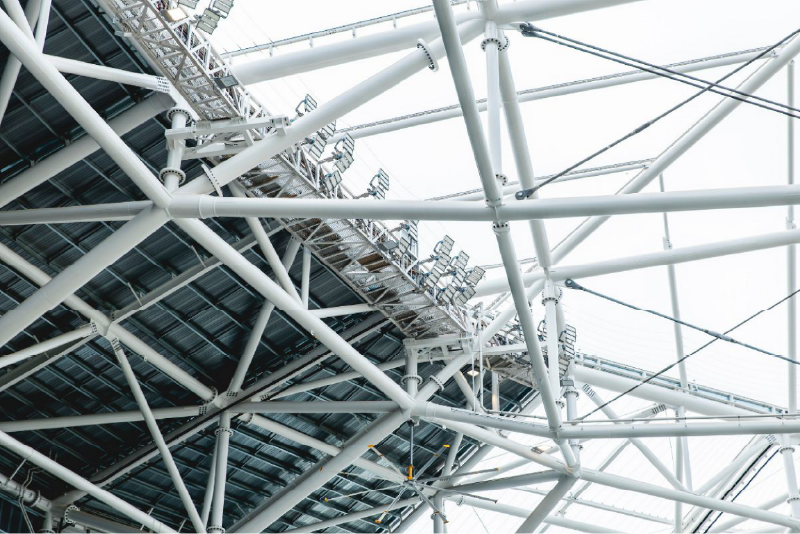
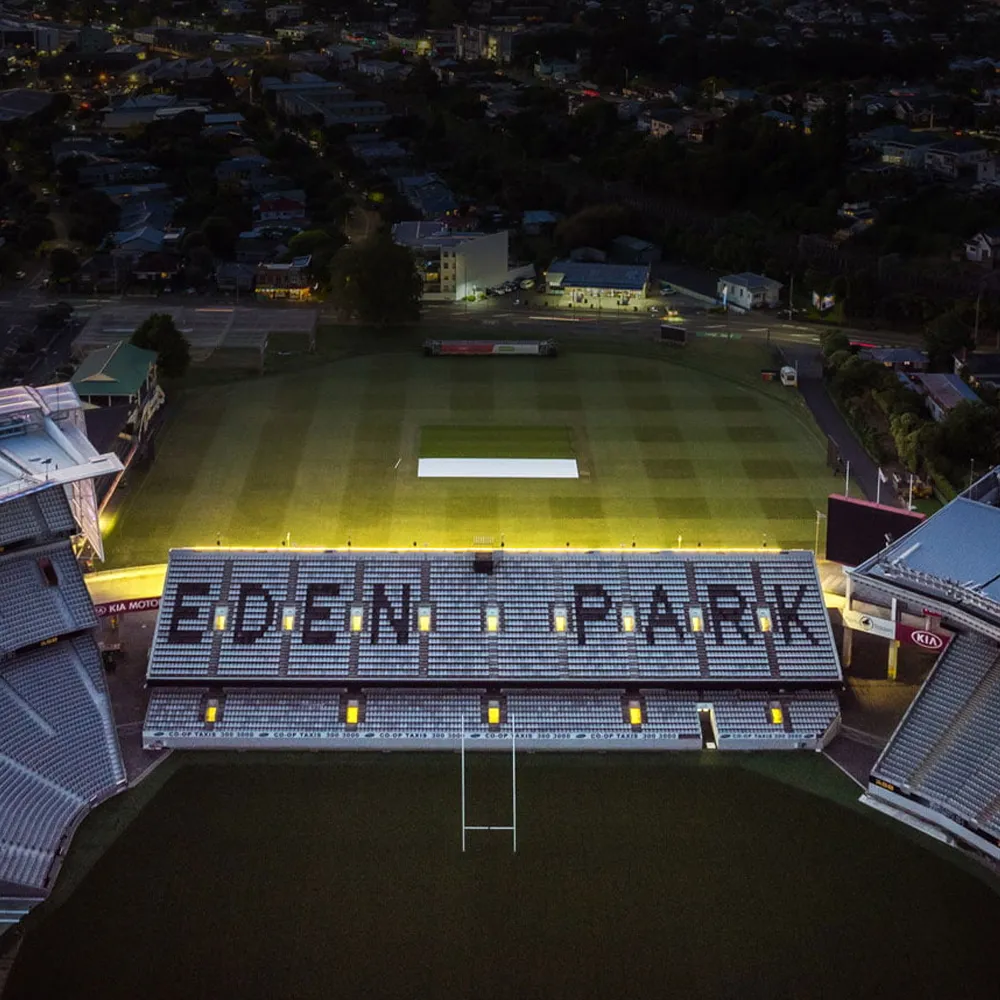
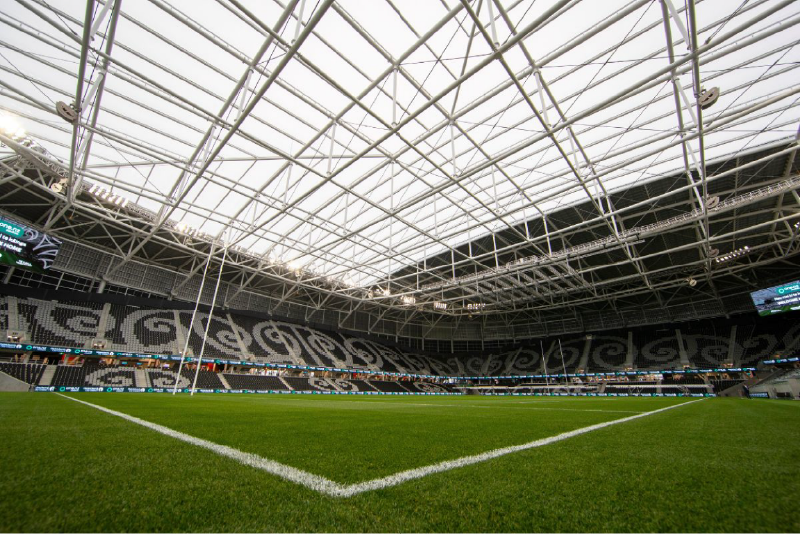
One New Zealand Te Kaha Stadium is Christchurch’s new world-class multi-use arena, designed to host sporting events, concerts and major entertainment experiences.

As part of the stadium’s AV infrastructure, Bartons Sound Systems and Futureworks utilised Q-SYS and Visionary Solutions technology supplied by NSL, supporting a fully IP-based ecosystem designed for the scale and operational demands of the venue.

The Solution

For a venue of this scale, the team required an AV platform capable of delivering reliability, ultra-low latency and seamless scalability.

Bartons led the design and build of the public address and audiovisual systems at One New Zealand Stadium, coordinating a project team that included Futureworks and Showquip. As the lead contractor, Bartons oversaw the delivery of the project, with the installation representing the company’s largest undertaking to date – spanning more than three years.

NSL supplied Q-SYS and Visionary Solutions technology to assist in delivering the stadium’s fully IP-based AV ecosystem. Together, the technologies provide the foundation for centralised audio processing and control alongside flexible, ultra-low latency AV over IP distribution.

Q-SYS

Q-SYS serves as the central orchestration and DSP backbone of the AV ecosystem, providing venue-wide audio processing, hardware redundancy and custom control interfaces.

Bartons Sound Systems held the Q-SYS contract and overall responsibility for the system, designing and configuring the overarching Q-SYS architecture, as well as supplying, programming and commissioning the majority of the Q-SYS processing across the venue.

By bringing these capabilities together within a central platform, Q-SYS helps simplify the immense complexity of the underlying system for end users, supporting straightforward day-to-day operation across the venue.

Visionary Solutions

Visionary Solutions powers the stadium’s ultra-low latency AV over IP distribution network, converting video feeds into IP streams that can be dynamically routed throughout the stadium.

This enables video to be distributed to screens and concourse displays across the stadium fabric without the bottlenecks of a traditional matrix chassis, providing the flexibility and scalability required for an arena-scale AV environment.

Send Us A Message

Related Case Studies